
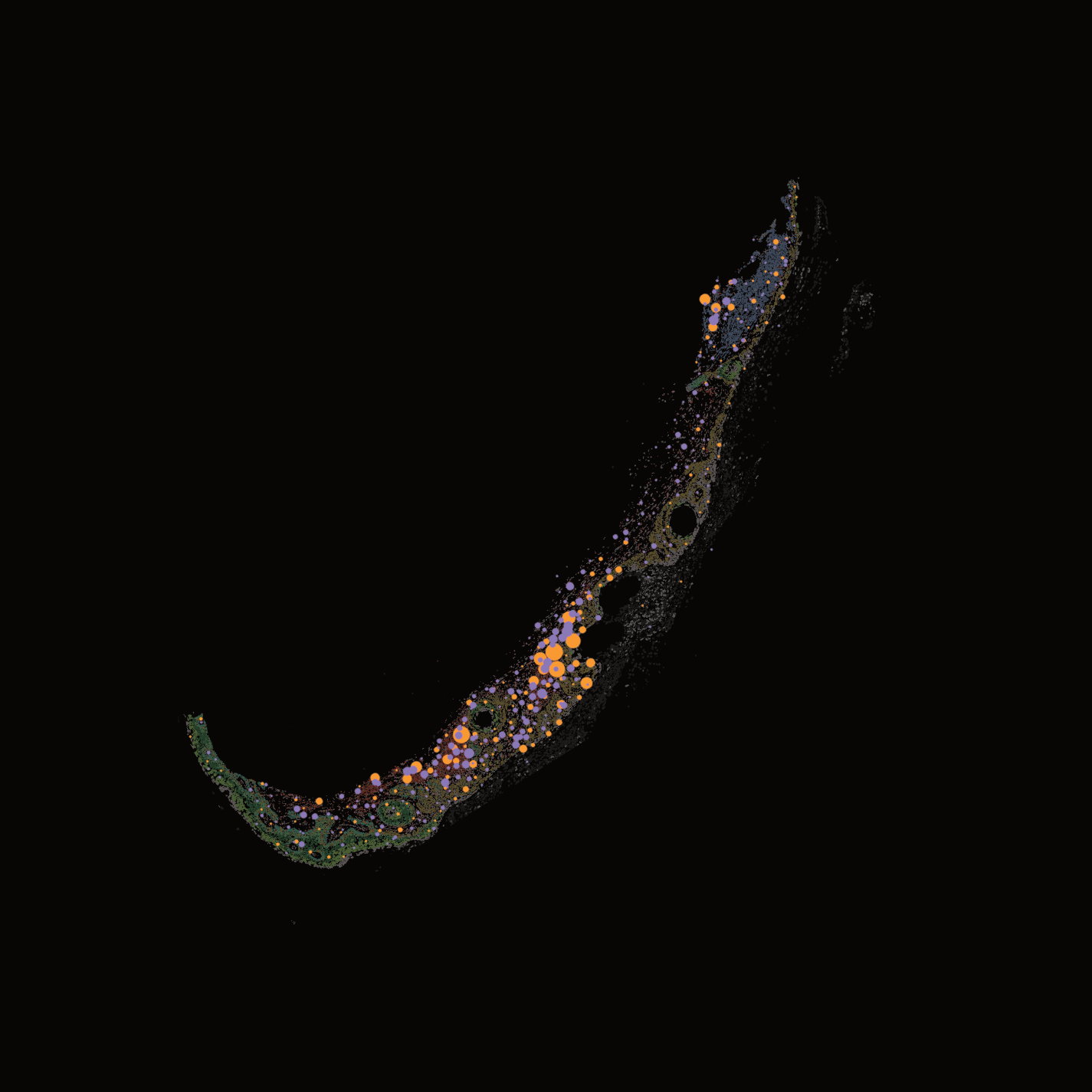
Disease Focus: Rare Skin Tumors
Cutaneous sarcomas are rare and often understudied malignancies with limited therapeutic options. Our research focuses on defining the molecular drivers of these cancers using patient-derived samples and integrated genomic approaches.
Our ongoing projects focus on characterizing genetic alterations, identifying unique biomarkers, and designing targeted therapies to improve patient outcomes in complex skin neoplasms.
Tools: Tech Development
We develop and apply high-throughput perturbation-based genomic technologies to systematically study gene function and regulation. Building on approaches such as massively parallel reporter assays and perturb-seq, our work enables the interrogation of gene regulatory elements and cellular responses at scale.
These tools allow us to connect genetic variation to functional outcomes, providing a framework to better understand the mechanisms driving cancer and other complex biological systems. Our projects focuses on deciphering the molecular pathways that drive skin cancer development and progression.
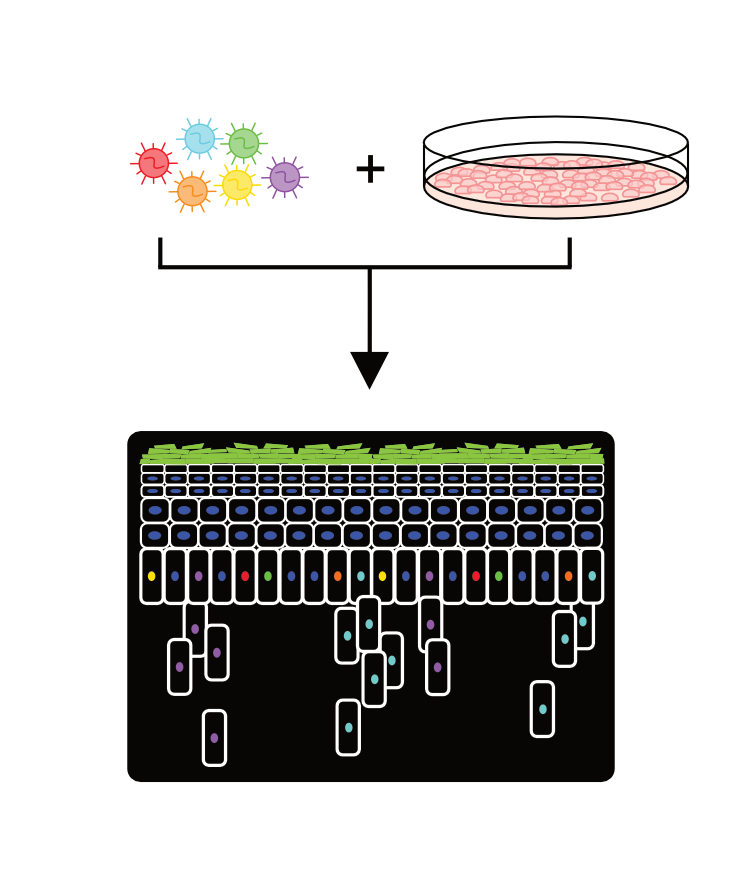
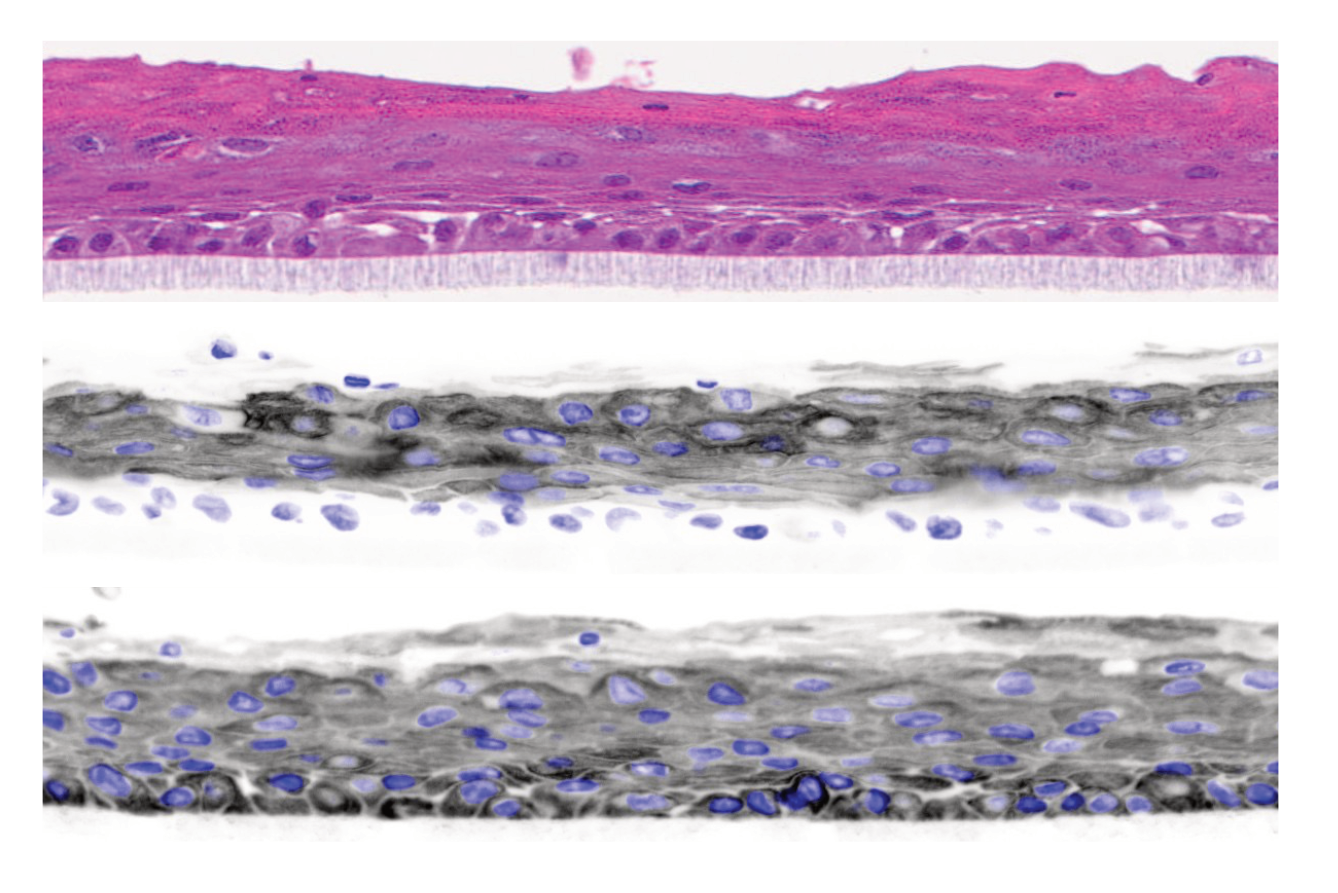
Models: Human Skin Equivalents & Patient-Derived Systems
We engineer and utilize human skin equivalent organotypic systems and patient-derived samples to model skin cancer in physiologically relevant contexts. These platforms enable controlled studies of tumor growth, invasion, and microenvironmental interactions.
In particular, we leverage unique systems such as collision tumors to investigate how distinct cell populations interact and contribute to disease. By integrating these models with genomic and single-cell analyses, we gain deeper insight into the biology of rare skin cancers.
 Klein Lab